OPTIMIZE NOW, SCALE FASTER
Boost your efficiency metrics with Qanty
Turn wait times into opportunities for engagement.
Organize queues, keep customers informed and make service decisions with real-time operational data.
Request a demo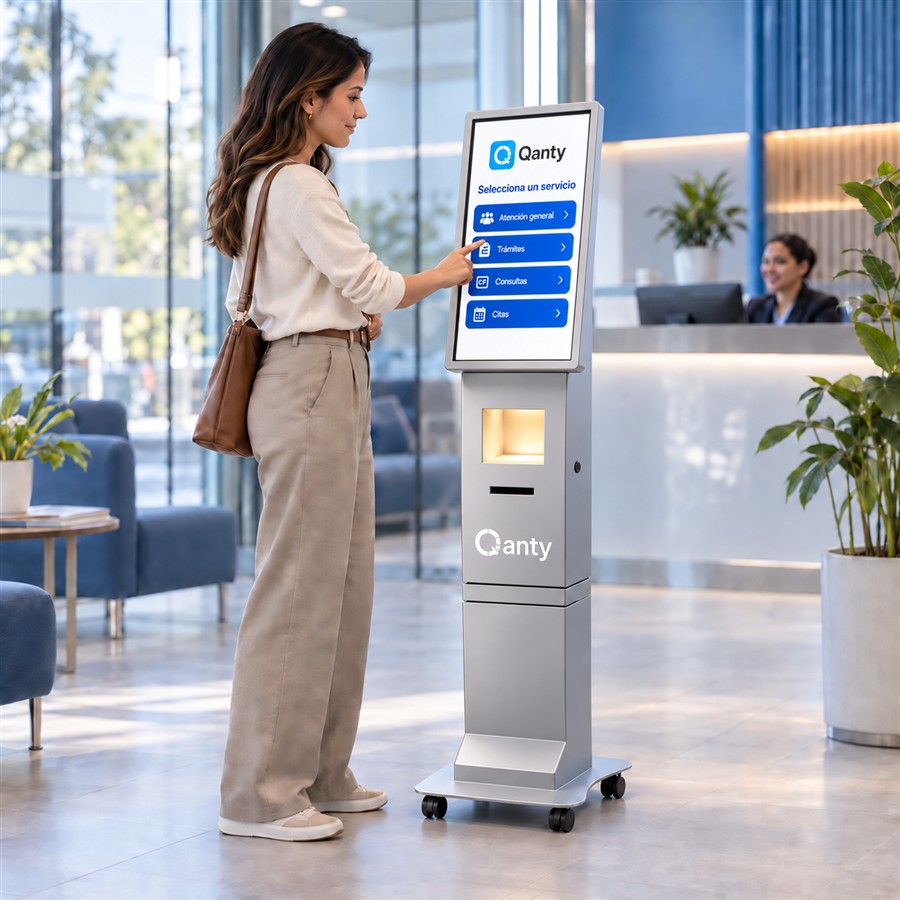
In the United States, time is money. In a hyper-competitive market, forcing your customers to stand in a physical line without information is the fastest way to lose them to a competitor. Transforming that wait into a seamless digital journey is no longer just a “nice-to-have”—it’s a critical operational necessity for businesses from New York to California.
A Queue Management System (QMS) is the technological backbone of modern customer service. It evolves the traditional “take-a-number” method into a data-driven ecosystem that drastically reduces wait times, optimizes staff allocation, and provides a frictionless experience for users across retail, healthcare, and government services.
Queue Management System (QMS): A comprehensive digital solution designed to manage, measure, and optimize customer flow from arrival to service completion. It integrates virtual queuing, appointment scheduling, and real-time analytics to eliminate lobby congestion and improve operational efficiency.

Turn wait times into opportunities for engagement.
A Queue Management System, commonly known as QMS, represents a paradigm shift from simply organizing people to managing their entire experience. It is a strategic tool that orchestrates customer flow using smart algorithms and user-friendly interfaces.

Unlike traditional ticket dispensers, a modern QMS connects the physical and digital worlds. It allows US businesses to anticipate demand, allocate resources dynamically, and communicate with customers in real-time via text message (SMS) or email. The ultimate goal is to reduce both the actual wait time and the perceived wait time, ensuring that the service journey is efficient and respectful of the customer’s busy schedule.
At its heart, the system handles three critical tasks: streamlining the check-in process, routing the customer to the right agent based on their specific needs, and gathering actionable data to improve future performance.
Traditionally, businesses operated on a reactive model: customers arrived, formed a line, and hoped for the best. This approach often resulted in crowded lobbies, frustrated clients, and stressed employees—reminiscent of a bad day at the DMV.
The modern approach provided by Qanty flips this dynamic. By implementing virtual queues and appointment scheduling, you shift to a proactive model. Customers enter a virtual waitlist via their phones and can wait anywhere—a Starbucks next door, their car, or home—until it’s their turn. This concept of “waiting without waiting” significantly boosts Net Promoter Scores (NPS) and transforms a pain point into a brand asset.

Did you know?
Updates about queue position and next steps help reduce uncertainty while customers wait. Results depend on the service process and the configuration at each location.

Failing to manage lines efficiently costs more than just customer patience; it impacts the bottom line. When customers feel their time is wasted, they leave—often for good. This “walk-away” rate is a silent revenue killer.
Furthermore, without a QMS, management flies blind. There is no accurate data on peak hours, service duration, or employee performance. This lack of visibility leads to overstaffing during quiet periods and understaffing during rushes, creating a cycle of inefficiency and burnout. A digital system provides the analytics needed to break this cycle.
How different sectors in the US leverage QMS to solve specific challenges.
Banks use QMS to segregate transactions (teller vs. advisory), prioritizing high-value clients and reducing branch congestion.
Urgent care centers streamline patient intake and triage, ensuring urgent cases are prioritized while keeping waiting rooms uncrowded.
Distribution centers manage the flow of trucks and drivers, reducing idle time at loading docks and optimizing supply chain speed.
A robust Queue Management System operates as a cycle of continuous improvement. It begins before the customer even arrives and continues after they leave.
Behind the scenes, the system records every interaction. This data allows managers to identify bottlenecks, forecast future staffing needs with high accuracy, and implement training programs based on actual service metrics.
While it significantly reduces them, the main goal is to eliminate standing in line. Customers may still wait, but they do so comfortably (virtually) rather than being stuck in a physical crowd.
Yes, modern QMS solutions like Qanty are designed with API-first architecture to integrate seamlessly with CRMs, Hospital Information Systems, and core banking platforms.
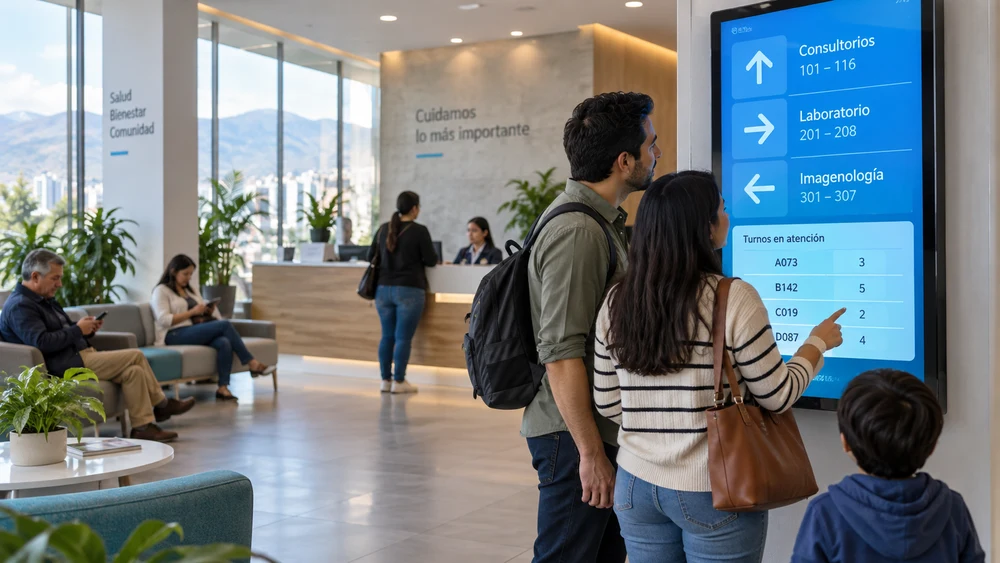
It depends on your configuration. While a fully digital solution can run on smartphones and web browsers, many locations benefit from self-service kiosks and digital signage screens.


Discover how Qanty’s scalable solutions can adapt to your specific industry needs, reducing wait times and boosting customer loyalty.